A leaking roof can quickly turn from a minor inconvenience into a major home emergency. One moment everything seems fine, and the next you notice water dripping from the ceiling, damp spots spreading across your walls, or a musty smell creeping through your home. For many homeowners, the first reaction is panic — and that’s understandable. Water damage spreads fast, and if the problem isn’t handled quickly, it can damage insulation, electrical systems, ceilings, furniture, and even the structural integrity of your home.
Roof leaks are surprisingly common in Australia, especially after severe storms, heavy rain, or prolonged exposure to harsh sun and weather conditions. Over time, roofing materials can crack, shift, or deteriorate, allowing water to find its way inside. Even a tiny opening in your roof can allow litres of water to seep in during a storm. According to housing maintenance studies, small roof leaks can cause thousands of dollars in interior damage if left untreated for just a few days.
The good news is that knowing what to do first when a roof leak happens can significantly reduce damage and repair costs. Acting quickly helps protect your belongings, prevents mold growth, and gives professionals a better chance of fixing the problem before it spreads. Emergency roof leak management is not just about stopping water temporarily; it’s about minimizing long-term structural damage and keeping your home safe.
Homeowners across Australia often rely on professional services such as Aussie Roof Revival for urgent roofing issues. But before the professionals arrive, there are several important steps you can take immediately to control the situation. These simple but effective actions can mean the difference between a minor repair and a major renovation.
In this guide, we’ll walk through exactly what to do during an emergency roof leak, the fastest temporary fixes, warning signs you shouldn’t ignore, and how professional roof repair specialists can solve the issue permanently.
Why Roof Leaks Are Considered Home Emergencies
Many homeowners underestimate the seriousness of a roof leak. At first glance, a small drip or stain on the ceiling might seem harmless. Some people even place a bucket underneath and assume the issue can wait until the weekend. Unfortunately, roof leaks rarely stay small for long. What begins as a slow drip can escalate into significant structural damage in a surprisingly short amount of time.
A roof leak is considered a home emergency because water infiltration can spread rapidly throughout a building’s structure. Roofs are designed to protect every layer beneath them — insulation, electrical wiring, drywall, timber framing, and more. Once water breaches the outer roofing material, it can travel along beams, through ceiling cavities, and down interior walls. This hidden movement of water often means that the visible leak you see inside your home may not even be directly below the actual damage on the roof.
Another reason roof leaks are classified as urgent issues is the risk they pose to electrical systems. Water and electricity obviously don’t mix well, and a leak near ceiling lights, wiring, or electrical panels can become a serious safety hazard. In extreme cases, this can even lead to short circuits or fire risks.
There’s also the issue of mould and mildew. When moisture accumulates in dark spaces such as ceiling cavities or insulation layers, it creates the perfect environment for mould growth. Mould can start forming in as little as 24 to 48 hours after water exposure, according to environmental health studies. Once mould spreads, the cleanup process becomes much more complicated and expensive.
Beyond safety concerns, roof leaks can drastically reduce the lifespan of your roofing materials. Water trapped beneath tiles or metal sheets accelerates corrosion, weakens structural components, and leads to more widespread roof deterioration.
This is why roofing experts consistently recommend addressing leaks immediately rather than delaying repairs. Professional roof repair specialists — such as the team at Aussie Roof Revival — often find that homeowners who respond quickly save thousands of dollars compared to those who wait until the damage becomes severe.
Understanding the urgency of roof leaks is the first step toward protecting your home, your belongings, and your long-term property value.
The Most Common Causes of Roof Leaks
Roof leaks rarely occur without a reason. In most cases, they develop slowly over time due to weather exposure, aging materials, or small maintenance issues that go unnoticed. Understanding the most common causes of roof leaks can help homeowners identify problems earlier and take preventive action before water damage occurs.
One of the most frequent culprits behind roof leaks is damaged or missing roof tiles. Strong winds, heavy storms, and falling tree branches can crack or dislodge tiles, leaving openings where rainwater can enter. Even a small gap can allow water to seep beneath the roofing structure. Over time, repeated rainfall worsens the damage, turning a minor issue into a persistent leak.
Another common cause is deteriorated roof flashing. Flashing refers to the thin metal strips installed around roof joints, chimneys, skylights, and vents. These areas are particularly vulnerable because they involve transitions between different roofing surfaces. If flashing becomes loose, rusted, or improperly sealed, water can easily penetrate the roof structure.
Blocked gutters are also a major contributor to roof leaks. When leaves, dirt, and debris accumulate in gutters, rainwater cannot drain properly. Instead, water backs up and can flow under roof edges or seep into the fascia and roof cavity. In Australia, where seasonal storms can dump large volumes of rain quickly, blocked gutters significantly increase leak risks.
Age is another major factor. Most roofs have a lifespan of 15 to 30 years depending on materials, and as they age, their protective properties weaken. Sealants dry out, metal roofs may develop corrosion, and tile underlayments can deteriorate. Without periodic maintenance or restoration, older roofs are far more likely to develop leaks.
Improper installation can also cause long-term roofing problems. If roofing materials were installed incorrectly during construction or previous repairs, weak points may exist from the start. These vulnerabilities might remain hidden for years before eventually allowing water to penetrate.
Because roof leaks can originate from multiple sources, diagnosing the exact problem requires experience. Professional roofing specialists — such as those providing roof restoration services — use inspections to locate the true source of the leak rather than just addressing the visible symptoms.
Recognizing these common causes helps homeowners stay proactive. Regular roof inspections, proper gutter cleaning, and timely repairs can dramatically reduce the likelihood of emergency leaks.
The Hidden Risks of Ignoring a Roof Leak
Ignoring a roof leak might seem harmless in the short term, especially if the drip appears minor or only happens during heavy rain. Many homeowners delay repairs thinking the problem can wait until the next maintenance cycle. Unfortunately, this approach often leads to far more expensive damage than expected.
One of the biggest risks of ignoring a roof leak is structural deterioration. Water that seeps into roofing materials doesn’t just stay on the surface. It penetrates timber framing, insulation layers, and internal ceiling structures. Over time, continuous exposure to moisture weakens these materials, causing them to rot, warp, or lose their load-bearing strength. In severe cases, prolonged water damage can even compromise the structural stability of a roof.
Another serious consequence is mould growth. Mould thrives in moist, dark environments such as ceiling cavities and wall insulation. Once it begins spreading, it can contaminate indoor air quality and trigger respiratory problems, allergies, and other health issues. Removing mould often requires professional remediation services, which can be significantly more expensive than fixing the original leak.
Water leaks can also damage your home’s interior aesthetics. Ceiling stains, bubbling paint, warped drywall, and peeling plaster are all common signs of ongoing water intrusion. Flooring materials such as timber, laminate, and carpet can also absorb moisture and become permanently damaged. By the time these visible signs appear, the leak may have already been active for weeks or months.
Electrical hazards present another major concern. If water comes into contact with wiring, ceiling fixtures, or electrical panels, it can create short circuits or increase the risk of fire. This is one reason roofing professionals recommend treating roof leaks as urgent issues rather than routine maintenance.
Financially, the cost difference between early repair and delayed action can be dramatic. A minor roof repair might cost a few hundred dollars, while extensive water damage restoration can easily reach several thousand dollars or more. Experienced professionals from Aussie Roof Revival frequently report that many major repairs they encounter began as small leaks that were initially ignored.
Addressing a roof leak quickly protects not only your home but also your health, safety, and financial investment. The sooner the problem is identified and repaired, the easier and more affordable the solution becomes.
The First 10 Minutes After You Discover a Roof Leak
Discovering water dripping from your ceiling can feel like a moment of panic. Many homeowners freeze because they aren’t sure what to do first. Those first ten minutes, however, are incredibly important. Quick action during this short window can dramatically reduce water damage and help protect your home’s structure, furniture, and electronics.
The first thing to understand is that the visible leak may not be the actual entry point of the water. Water can travel along beams, insulation, and roof structures before finally dripping into your living space. This means that even if you see water coming from a specific spot in the ceiling, the actual damage on the roof might be several feet away. That’s why it’s important not to start cutting holes or pulling materials apart unless you know exactly what you’re doing.
Your main goal in the first few minutes is damage control. Instead of focusing on fixing the roof immediately, you want to prevent water from spreading further inside your home. That means containing the leak, protecting valuables, and ensuring water isn’t pooling in dangerous areas.
Start by observing the leak. Is it a slow drip, a steady stream, or water pooling inside the ceiling? These details will help roofing professionals later when they diagnose the problem. If the leak appeared during heavy rain or a storm, chances are the damage is related to roofing tiles, flashing, or clogged drainage systems.
Safety should also be your priority. If the leak is near electrical outlets, ceiling lights, or appliances, it’s wise to turn off power in the affected area to avoid electrical hazards. Water and electricity can be a dangerous combination, and many homeowners overlook this risk when focusing on stopping the leak.
Many roofing experts recommend taking photos of the damage as soon as possible. These photos can help when dealing with insurance claims or when explaining the situation to professional roof repair specialists.
If the leak seems severe or worsens quickly, contacting professionals such as Aussie Roof Revival should be your next step. Emergency roofing professionals can assess the damage, locate the exact source of the leak, and apply temporary or permanent repairs.
Handling those first ten minutes calmly and strategically can make a huge difference in how much damage your home experiences.
Step 1: Contain the Water Immediately
The very first step after discovering a roof leak is simple but extremely important: contain the water. While this might sound obvious, many homeowners underestimate how quickly water can spread once it enters a building. A single leak can drip hundreds of litres of water over several hours during a heavy storm.
Start by placing containers under the dripping area. Buckets, pots, plastic storage bins, or even large mixing bowls can work well. The goal is to catch as much water as possible before it reaches your floors or furniture. If the leak is particularly heavy, you may need multiple containers to keep up with the flow.
Another helpful trick many roofing professionals recommend is placing a towel inside the bucket. This reduces splashing noise and prevents water from bouncing out of the container when it drips from a height. It’s a small detail, but it can make managing the situation much easier, especially during a long stormy night.
If water is running along the ceiling instead of dripping directly down, you might notice a bulging section of plaster or drywall. This means water is pooling above the ceiling surface. In this case, containment becomes even more critical because the ceiling could collapse if the water buildup becomes too heavy.
Floor protection is also important during this step. Water that reaches wooden flooring, carpets, or laminate surfaces can cause swelling and permanent damage. Placing towels, plastic sheets, or waterproof mats around the affected area can help reduce further damage.
If you notice water spreading beyond the immediate drip area, try creating a controlled drainage path using towels or cloth strips. This can guide water toward containers rather than allowing it to run across ceilings and walls.
Containment doesn’t solve the roof problem itself, but it buys you valuable time until professional help arrives. Roof repair experts like those at Aussie Roof Revival often emphasize that effective water containment can significantly reduce the extent of interior damage.
Taking quick action during this step helps ensure that a temporary inconvenience doesn’t become a costly home restoration project.
Step 2: Protect Furniture and Electronics
Once you’ve contained the dripping water, the next priority is protecting everything inside your home that could be damaged by moisture. Water leaks often occur in living rooms, bedrooms, and kitchens — areas filled with furniture, electronics, and personal belongings that can be expensive or impossible to replace.
Start by moving furniture away from the leak if possible. Sofas, chairs, tables, and cabinets should be relocated to a dry area of the room. If large furniture pieces cannot be moved easily, covering them with plastic sheets or waterproof tarps can provide temporary protection.
Electronics require extra attention because water exposure can permanently destroy them. Televisions, gaming consoles, speakers, laptops, and smart home devices should be unplugged and moved away from the affected area. Even if water hasn’t reached them yet, humidity and ceiling drips can still cause internal damage.
Lighting fixtures are another concern. If water is leaking near ceiling lights or fans, avoid touching them until you have switched off the electricity in that part of the house. Electrical safety should never be overlooked during a roof leak emergency.
Personal items such as books, clothing, artwork, and documents should also be relocated if they are near the leak. Paper products absorb water quickly and can be ruined within minutes. Important documents should always be stored in dry locations during emergencies.
In situations where water spreads across a larger area, using plastic drop sheets can help cover flooring and belongings quickly. Many homeowners keep these sheets for painting projects, but they are equally useful during home emergencies like roof leaks.
Protecting your belongings may take a few extra minutes, but it can save thousands of dollars in potential damage. Roofing professionals often see situations where the leak itself was relatively minor, but homeowners lost valuable items simply because they didn’t move them in time.
By combining water containment with proper protection of furniture and electronics, you can significantly reduce the impact of an unexpected roof leak.
Step 3: Relieve Pressure From a Bulging Ceiling
One of the most alarming signs during a roof leak is a bulging or sagging ceiling. This occurs when water accumulates above the drywall or plaster, creating a visible bubble or swelling surface. Many homeowners instinctively ignore it out of fear, but leaving it untouched can actually lead to a sudden and messy ceiling collapse.
When water pools above the ceiling, it can become surprisingly heavy. Even a small ceiling cavity can hold several gallons of water. As the weight increases, the drywall begins to sag and may eventually break open on its own. When that happens, water can flood the room instantly and cause extensive damage.
Relieving this pressure carefully can prevent a much bigger problem. First, place a large bucket or container directly beneath the bulging area. Then use a small screwdriver, nail, or sharp tool to gently puncture the lowest part of the bubble. This allows the trapped water to drain slowly into the container instead of bursting uncontrollably.
It’s important to understand that this step does not damage the ceiling further in a meaningful way. In fact, it often prevents a much larger section of drywall from collapsing. Repairing a small controlled hole is far easier and cheaper than replacing an entire ceiling panel.
Once the water drains, monitor the area closely. Additional water may continue to flow if the roof leak persists during rain. Keeping the bucket in place helps manage this until professional repairs can be made.
If the bulging area appears extremely large or the ceiling structure seems unstable, it may be safer to avoid standing directly underneath it. In those situations, contacting emergency roofing professionals is the best course of action.
Specialists at Aussie Roof Revival often deal with cases where ceiling pressure was relieved early, preventing major interior damage. Handling this step correctly can turn a potentially destructive situation into a manageable repair.
Temporary Fixes You Can Use Before Professionals Arrive
When a roof leak appears during a storm or late at night, professional help may not always be available immediately. That’s where temporary fixes become incredibly useful. While these solutions are not meant to replace proper roof repairs, they can significantly slow down or even stop water infiltration until roofing experts arrive. Think of these methods as emergency first aid for your roof — they stabilize the situation and prevent further damage.
One of the biggest mistakes homeowners make during roof leaks is attempting complex repairs without proper tools or safety precautions. Climbing onto a slippery roof during rain or strong winds is extremely dangerous. Temporary solutions should always prioritize safety first. If weather conditions are hazardous, it’s better to focus on interior containment and wait until conditions improve before accessing the roof.
Temporary fixes generally focus on blocking water entry points rather than permanently repairing structural issues. Simple materials such as plastic tarps, roofing tape, waterproof sealants, and even heavy-duty plastic sheets can act as effective barriers against rainwater. Many professional roofers actually use similar temporary methods when performing emergency repairs before a full restoration is scheduled.
Another benefit of temporary fixes is that they can prevent secondary damage. Water that continues leaking into your home can spread through insulation, walls, and ceilings, creating mold risks and weakening structural materials. By slowing or stopping the leak temporarily, you buy valuable time to arrange professional inspections and repairs.
That said, temporary solutions should never become permanent habits. A patched leak may seem resolved for weeks or months, but the underlying roofing problem usually continues to worsen beneath the surface. This is why experts strongly recommend scheduling a professional inspection soon after any leak occurs.
Companies like Aussie Roof Revival specialize in identifying the root causes behind roof leaks and providing long-term repair solutions. Temporary fixes can help protect your home during an emergency, but experienced roofing professionals ensure the problem doesn’t return during the next storm.
Understanding a few practical temporary repair methods can give homeowners peace of mind during unexpected roof leaks. These quick actions often make the difference between a minor inconvenience and major structural damage.
Using a Tarp to Stop Rainwater
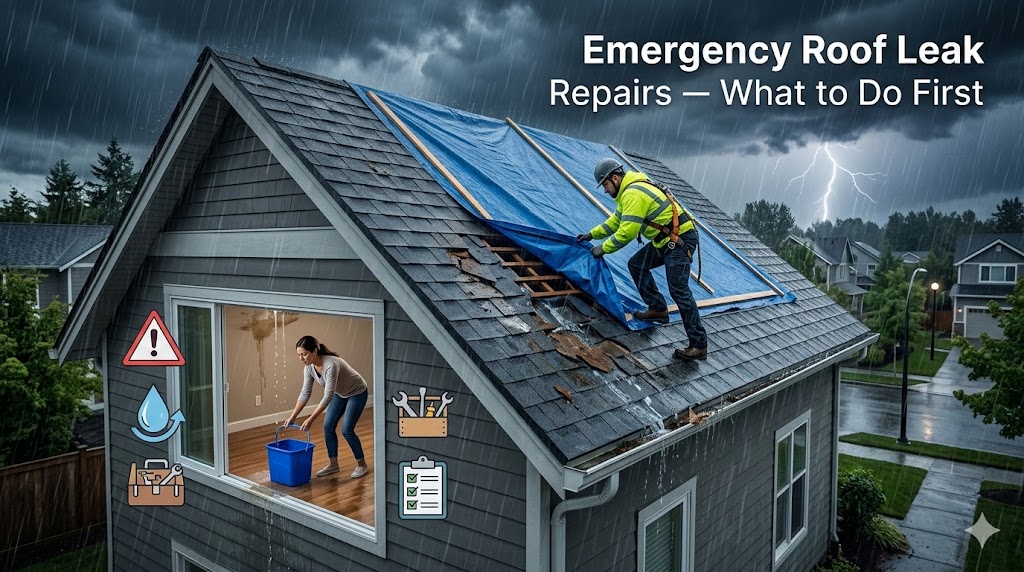
One of the most effective temporary solutions for a roof leak is installing a tarp over the damaged section of the roof. Professional roofers frequently use this technique during emergency situations because it creates a waterproof barrier that prevents rain from entering the home.
A tarp works by covering the compromised roofing area and redirecting water away from the leak point. When installed correctly, it can keep the interior of the house dry even during heavy rain. However, proper placement is essential. Simply throwing a tarp over the roof isn’t enough — it must extend several feet beyond the damaged area so water cannot flow underneath it.
Heavy-duty waterproof tarps made from polyethylene or similar materials are ideal because they resist tearing and withstand strong winds better than thin plastic sheets. Once the tarp is positioned, it should be secured tightly using wooden boards, roofing nails, or strong fasteners. The edges should remain taut so wind cannot lift them easily.
Safety is critical when using this method. Climbing onto a roof should only be done when weather conditions are calm and the surface is dry. Slippery roofs during rainstorms can lead to serious accidents. If conditions are unsafe, it’s better to wait for professional help rather than risk injury.
Another tip is to start placing the tarp from the highest point of the roof above the leak and extend it downward. This ensures rainwater flows over the tarp instead of beneath it. Proper positioning allows gravity to do the work of diverting water away from vulnerable areas.
Many homeowners are surprised at how effective this simple solution can be. A properly secured tarp can sometimes prevent leaks for several days until professional repairs are completed. Roofing specialists such as those at Aussie Roof Revival often use tarping as part of their emergency response process before conducting permanent repairs.
While tarps are not a permanent fix, they provide an immediate and reliable defense against water intrusion during roofing emergencies.
Roofing Tape and Sealants as Quick Fixes
Another quick and effective temporary solution for roof leaks involves using roofing tape or waterproof sealants. These materials are specifically designed to create airtight and watertight seals over cracks, holes, or damaged joints in roofing systems. They are widely available at hardware stores and are commonly used by roofing professionals for emergency patchwork.
Roofing tape is particularly useful for sealing small cracks, punctures, or separated flashing. This type of tape is usually made with a strong adhesive backing and a waterproof top layer that prevents water penetration. When applied properly, it can stop leaks almost instantly.
Before applying roofing tape, the surface should be as clean and dry as possible. Dirt, dust, or moisture can weaken the adhesive bond and reduce effectiveness. Once the area is prepared, the tape should be pressed firmly over the damaged section, ensuring there are no air bubbles or gaps where water could sneak through.
Waterproof roof sealants are another helpful option. These liquid compounds are applied using a caulking gun or brush and harden into a flexible, rubber-like barrier. Sealants work well around roof penetrations such as chimneys, skylights, vents, and flashing joints, which are common sources of leaks.
One advantage of sealants is their flexibility. Roofs expand and contract due to temperature changes, and flexible sealants can move with the materials without cracking. This makes them effective temporary solutions until a more permanent repair is completed.
However, homeowners should remember that these products are best suited for minor leaks and surface damage. Larger structural problems, missing tiles, or significant roof deterioration require professional repairs rather than simple patching.
Roof repair specialists from Aussie Roof Revival often use similar materials during inspection visits to stabilize leaks before scheduling comprehensive restoration work.
Having roofing tape or sealant on hand can be extremely helpful during unexpected roof leaks. These simple products can slow down water infiltration and protect your home while you arrange professional repairs.
When a Temporary Fix Might Be Enough
Not every roof leak automatically requires a full roof replacement or major reconstruction. In some situations, a temporary fix may actually become a long-term solution — but only after proper inspection and evaluation by roofing professionals.
Small leaks caused by minor issues, such as loose flashing, cracked sealant, or tiny gaps around roof fixtures, can sometimes be resolved with targeted repairs. For example, re-sealing a vent pipe or replacing a small section of flashing might permanently eliminate the leak without requiring extensive work on the rest of the roof.
However, determining whether a temporary fix is sufficient requires experience. What looks like a small crack on the surface might actually be a symptom of deeper structural damage beneath the roofing materials. This is why professional roof inspections are so important after any leak occurs.
Roofing specialists examine several factors when deciding whether a repair will be enough. These include the age of the roof, condition of surrounding materials, extent of water damage, and overall structural integrity. If the roof is relatively new and the damage is isolated, a simple repair may solve the problem completely.
On the other hand, if the roof shows widespread wear, cracked tiles, rusted metal sheets, or deteriorated underlayment, a temporary fix might only delay a larger issue. In these cases, professionals may recommend restoration or partial replacement to ensure long-term protection.
The team at Aussie Roof Revival often provides comprehensive roof assessments to determine the most cost-effective solution for homeowners. Sometimes a quick repair saves the day, while other situations require more thorough restoration to prevent recurring leaks.
The key takeaway is that temporary fixes should always be followed by professional evaluation. What begins as an emergency patch can sometimes evolve into a permanent repair — but only when the root cause has been properly identified and addressed.
When You Should Call a Professional Roofer Immediately
While some roof leaks appear small and manageable at first, there are situations where calling a professional roofer immediately is the safest and smartest decision. Roofing systems are complex structures designed to protect your entire home from weather exposure. When something goes wrong, it often requires trained expertise to properly diagnose and repair the issue.
Many homeowners attempt DIY solutions when they notice a leak. While temporary fixes like buckets, tarps, or sealants can help control the situation, they rarely address the underlying structural problems. A roof leak is often a symptom rather than the root cause. Water might be entering through cracked flashing, deteriorated underlayment, broken tiles, or even structural weaknesses that are not visible from the ground.
Professional roofers have the tools, experience, and safety equipment necessary to identify these hidden problems. They conduct thorough inspections, tracing water paths from the interior of the home to the exact point where water penetrates the roofing material. Without this type of inspection, homeowners often end up patching the wrong area while the real leak continues elsewhere.
Another reason to call professionals quickly is safety. Climbing onto a roof is risky, especially during storms, windy weather, or when the surface is wet. Roofing specialists are trained to work safely at heights and understand how to navigate steep slopes, fragile tiles, and slippery surfaces. Attempting complex roof repairs without proper training can lead to serious injuries.
Professional roof repair also ensures the work is done correctly the first time. Poor repairs can actually worsen the situation by trapping moisture beneath roofing materials or weakening structural components. Over time, these mistakes may lead to larger repairs or even full roof replacements.
Companies like Aussie Roof Revival specialize in emergency roofing services designed to respond quickly when leaks occur. Their teams assess the severity of the problem, apply temporary solutions if necessary, and then implement permanent repairs that restore the roof’s protective integrity.
Knowing when to call a professional can prevent small leaks from turning into major structural damage. When in doubt, it’s always safer to let experienced roofing specialists evaluate the situation.
Warning Signs You Need Emergency Roof Repair
Not all roof leaks look dramatic. Sometimes the warning signs are subtle and easy to overlook. Recognizing these early indicators can help homeowners act quickly before the damage becomes severe.
One of the most common signs is water stains on ceilings or walls. These stains often appear as yellow or brown patches that slowly expand over time. Even if the stain seems dry, it may indicate past or ongoing water intrusion inside the roof structure.
Another red flag is dripping water during or after rainfall. If you notice water dripping from the ceiling, attic, or light fixtures, the roof’s protective barrier has already been compromised. This type of leak usually requires immediate professional attention.
Homeowners should also watch for mold or musty odors inside the house. Mold thrives in damp environments, and its presence often signals hidden moisture within walls or ceilings. Since mold can affect indoor air quality and health, it’s important to investigate the source of the moisture quickly.
Damaged roofing materials are another major warning sign. From the ground, you might notice cracked, missing, or shifted roof tiles. Metal roofs may show visible rust or loose seams. These issues create entry points where rainwater can penetrate the roofing system.
Inside the attic, signs such as wet insulation, damp beams, or daylight visible through the roof boards indicate serious roofing problems. If sunlight can enter through the roof, water certainly can as well.
Storm damage is another scenario that frequently requires emergency repairs. Strong winds, hail, and falling branches can create sudden roof openings that allow large volumes of water inside the home. After severe weather events, it’s always wise to inspect the roof or schedule a professional assessment.
Roof repair experts at Aussie Roof Revival often emphasize that early detection is the key to minimizing repair costs. The sooner these warning signs are addressed, the easier and more affordable the repair process becomes.
What Professional Roofers Actually Do During Emergency Repairs
Many homeowners call a roofer during emergencies but aren’t entirely sure what happens during the repair process. Understanding how professionals handle roof leaks can help homeowners feel more confident and prepared when seeking help.
The first step in any professional repair is a detailed inspection. Roofing specialists examine both the exterior roof surface and the interior attic space to trace the path of the leak. Because water can travel along beams or insulation before dripping into the home, the visible leak point is rarely the actual source of the problem.
Roofers check several critical components during this inspection, including:
- Roof tiles or metal sheets
- Flashing around chimneys and vents
- Skylight seals
- Gutter systems and drainage points
- Roof valleys where water naturally flows
- Underlayment beneath roofing materials
Once the source is identified, professionals implement temporary stabilization measures if the weather conditions are still severe. This may involve placing tarps over damaged sections, applying waterproof sealants, or temporarily securing loose roofing materials.
After stabilizing the situation, the roofer determines the most effective permanent repair solution. This could involve replacing damaged tiles, resealing flashing joints, repairing structural timber, or installing new protective underlayment layers.
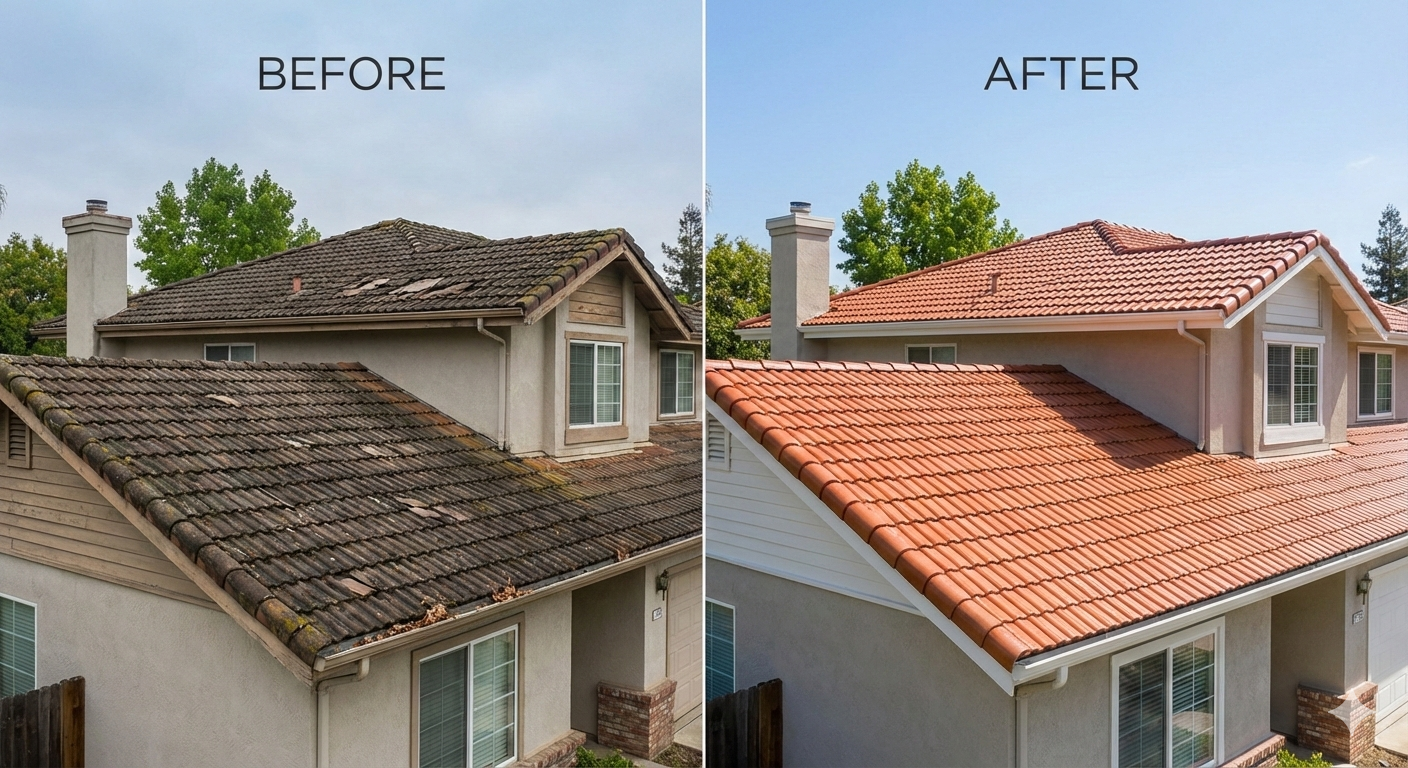
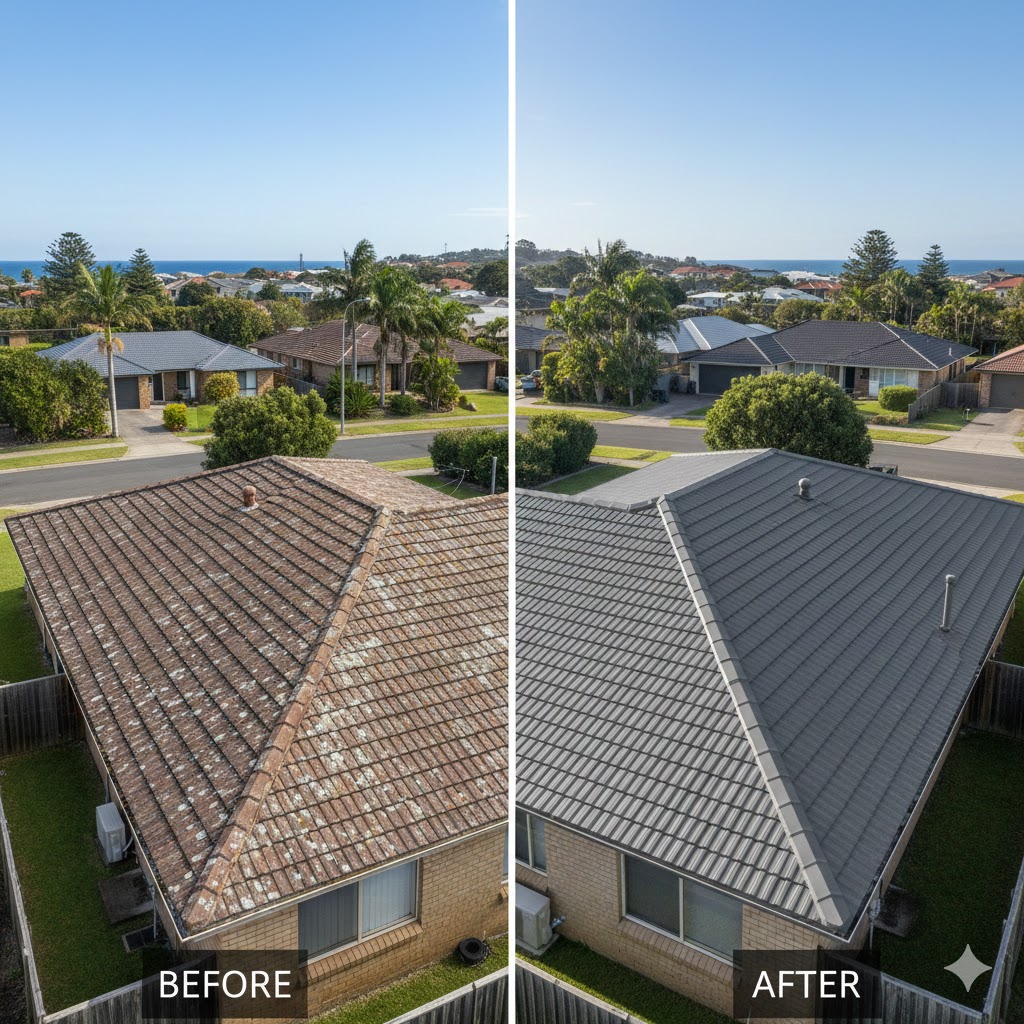
In some cases, professionals may recommend roof restoration instead of isolated repairs. Restoration involves cleaning, repairing, resealing, and recoating the entire roof to extend its lifespan and prevent future leaks.
Experienced teams like those at Aussie Roof Revival follow systematic repair procedures to ensure the roof is fully protected again. Their goal is not just to stop the current leak but also to strengthen the roof against future weather conditions.
Professional emergency repairs often provide homeowners with peace of mind because they address both the immediate issue and the underlying structural causes.
Preventing Future Roof Leaks
Preventing roof leaks is always easier — and far less expensive — than repairing water damage after it occurs. While no roof lasts forever, proper maintenance and regular inspections can dramatically extend its lifespan and reduce the likelihood of sudden leaks.
One of the most important preventive steps is routine roof maintenance. Many homeowners rarely think about their roof until a problem appears, but roofs are constantly exposed to harsh environmental conditions. Sunlight, heavy rain, wind, and debris gradually wear down roofing materials over time.
Cleaning gutters is another critical preventive measure. When gutters become clogged with leaves and debris, water cannot flow away from the roof properly. This causes water to back up under tiles or metal sheets, eventually leading to leaks. Keeping gutters clean ensures rainwater drains safely away from the home.
Tree maintenance also plays a role in roof protection. Overhanging branches can scrape against roofing materials during windy conditions, damaging tiles or protective coatings. Falling branches during storms can cause sudden and severe roof damage as well.
Professional inspections provide another layer of protection. Roofing specialists can detect early signs of wear that homeowners may not notice from the ground. Small cracks, loose flashing, or deteriorating sealants can often be repaired quickly before they develop into serious leaks.
Many roofing experts recommend annual inspections, particularly after major storms. Companies like Aussie Roof Revival offer roof assessment services that help homeowners identify potential issues before they escalate into costly repairs.
By combining regular maintenance, inspections, and prompt repairs, homeowners can significantly reduce the chances of experiencing emergency roof leaks in the future.
The Importance of Regular Roof Inspections
Regular roof inspections are one of the most effective ways to prevent unexpected leaks and expensive repairs. Most roofing problems start small — a tiny crack in flashing, a loose tile, or a minor gap in sealant. These issues may not cause immediate leaks, but over time they allow moisture to penetrate deeper into the roofing structure.
Professional inspections allow these small vulnerabilities to be detected early. Roofing specialists carefully examine every component of the roof, from surface materials to drainage systems. They check for cracked tiles, rusted metal sheets, deteriorated sealants, blocked gutters, and signs of structural wear.
Another advantage of inspections is weather damage detection. Storms, high winds, and hail can cause subtle damage that homeowners may not notice right away. A professional roofer knows exactly what to look for and can identify issues that might lead to leaks during future rainfall.
Inspections also help extend the lifespan of a roof. Small repairs performed early can prevent larger structural failures later. Many roofing systems can last 20 to 30 years or more when maintained properly, but neglecting maintenance can shorten that lifespan significantly.
Homeowners often assume inspections are only necessary for older roofs. In reality, even newer roofs benefit from periodic assessments because installation flaws or weather damage can occur at any stage.
Roofing professionals from Aussie Roof Revival frequently recommend scheduling inspections at least once a year and after major storms. This proactive approach allows homeowners to stay ahead of potential leaks and maintain the roof’s protective performance.
Regular inspections may seem like a small investment, but they provide enormous long-term value by protecting both the home and the homeowner’s budget.
Roof Restoration vs Roof Repairs — What’s the Difference
Many homeowners hear the terms roof repair and roof restoration used interchangeably, but they actually refer to different services. Understanding the difference can help homeowners choose the right solution when dealing with roof leaks or aging roofing systems.
Roof repairs focus on fixing specific problems. This might involve replacing broken tiles, sealing a leak, repairing flashing, or fixing damaged sections of the roof. Repairs are usually targeted solutions designed to address isolated issues without altering the entire roof.
Roof restoration, on the other hand, is a more comprehensive process. It involves cleaning, repairing, resealing, and recoating the entire roof surface to improve its durability and appearance. Restoration essentially rejuvenates the roof and extends its lifespan without requiring a full replacement.
A typical roof restoration process may include:
- High-pressure roof cleaning
- Replacement of damaged tiles
- Resealing ridge caps
- Applying protective coatings
- Waterproofing vulnerable areas
Restoration is often recommended when a roof shows general wear but remains structurally sound. Instead of replacing the entire roof, restoration strengthens existing materials and improves weather resistance.
The benefits of restoration include improved waterproofing, enhanced energy efficiency, and increased property value. It also costs significantly less than full roof replacement while still delivering long-lasting results.
Companies like Aussie Roof Revival specialize in both targeted repairs and full restoration services. Their approach involves assessing the overall condition of the roof before recommending the most effective solution.
For homeowners dealing with recurring leaks or aging roofing materials, restoration can be an excellent way to protect the home while avoiding the higher costs associated with full roof replacement.
Why Homeowners Trust Aussie Roof Revival
When it comes to roofing emergencies, homeowners want more than just a quick fix — they want reliable expertise and long-term protection. This is why many property owners across Australia turn to Aussie Roof Revival for professional roofing solutions.
One of the biggest advantages of working with experienced roofing specialists is their ability to accurately diagnose problems. Roof leaks can originate from multiple sources, and inexperienced repairs often fail because the real cause was never addressed. Professional teams perform thorough inspections to identify the root issue before implementing repairs.
Another reason homeowners trust Aussie Roof Revival is their comprehensive range of services. From emergency leak repairs to full roof restoration, their expertise covers every aspect of roofing maintenance and improvement. This means homeowners can rely on a single trusted provider for both urgent repairs and long-term roof care.
Quality workmanship also plays a major role. Professional roofing companies use durable materials, industry-approved techniques, and safety-focused procedures to ensure repairs last for years rather than months. This level of professionalism reduces the likelihood of recurring leaks and costly follow-up repairs.
Customer service is equally important. During roofing emergencies, homeowners often feel stressed and uncertain about what to do next. Experienced roofing teams guide homeowners through the repair process, explain the available solutions, and help them make informed decisions about their property.
Many roofing professionals also offer preventive maintenance services that help homeowners avoid future emergencies. Regular inspections, minor repairs, and roof restoration can significantly extend the life of a roof and reduce the chances of unexpected leaks.
Choosing a trusted roofing provider ensures that your home remains protected against Australia’s unpredictable weather conditions.
Conclusion
Roof leaks are among the most stressful home maintenance problems homeowners face. What begins as a small drip can quickly escalate into significant structural damage, mold growth, and expensive repairs if not addressed promptly. Knowing exactly what to do first during a roof leak emergency can make a huge difference in minimizing damage and protecting your home.
Immediate actions such as containing water, protecting furniture, relieving ceiling pressure, and applying temporary fixes can stabilize the situation while you arrange professional help. These steps provide valuable time and prevent water from spreading further inside the house.
However, temporary solutions should never replace professional inspections and repairs. Roof leaks often indicate deeper structural issues that require experienced expertise to resolve permanently. Professional roofing specialists can identify the true source of the problem and implement long-lasting solutions that restore the roof’s protective function.
Regular maintenance and inspections are equally important for preventing future leaks. Cleaning gutters, monitoring roofing materials, and scheduling annual assessments help detect small problems before they become major emergencies.
For homeowners seeking reliable roofing services, Aussie Roof Revival provides expert repairs, inspections, and restoration solutions designed to keep homes safe and dry year-round.
By acting quickly and relying on experienced professionals, you can ensure that a sudden roof leak remains a manageable repair rather than a costly disaster.
Frequently Asked Questions (FAQs)
1. What should I do immediately when my roof starts leaking?
The first step is to contain the water using buckets or containers. Move furniture and electronics away from the leak and protect flooring with towels or plastic sheets. If the ceiling begins to bulge, carefully relieve the pressure by puncturing the lowest point to drain the trapped water.
2. Can I fix a roof leak myself?
Minor leaks can sometimes be temporarily patched using roofing tape, sealants, or tarps. However, these solutions are usually short-term. Professional roofers should inspect the roof to identify the root cause and apply permanent repairs.
3. Is a roof leak considered an emergency?
Yes. Roof leaks can quickly lead to structural damage, mold growth, and electrical hazards. Addressing the problem as soon as possible helps prevent costly repairs and protects your home.
4. How much does emergency roof leak repair cost?
Costs vary depending on the extent of damage, roofing materials, and accessibility. Minor repairs may cost a few hundred dollars, while major structural repairs can cost significantly more. Early intervention usually reduces overall repair costs.
5. How can I prevent roof leaks in the future?
Regular maintenance is key. Clean gutters, inspect your roof after storms, trim overhanging branches, and schedule annual professional roof inspections. Preventive care greatly reduces the risk of unexpected leaks.