Terracotta roof tiles are iconic across Australian homes. They’re beautiful, durable, and timeless—but let’s be honest, Australian weather can be brutal. From scorching summer heat to pounding rain, hailstorms, coastal salt air, and sudden temperature shifts, terracotta tiles take a constant beating. Over time, even the strongest roofs start to show signs of wear.
If you’re dealing with terracotta tiles damaged by weather, you’re not alone. Many homeowners only notice the problem once leaks appear, tiles crack, or the roof starts looking tired and faded. The good news? Most weather-related damage can be repaired, restored, and prevented with the right approach and expert help.
In this in-depth guide, we’ll break down everything you need to know about weather-damaged terracotta tiles—what causes the damage, how to spot early warning signs, repair and restoration options, and how professionals like Aussie Roof Revival, Australia’s trusted Roof Restoration & Painting Experts, can help extend the life of your roof.
Understanding Terracotta Tiles and Their Weather Vulnerability
Terracotta tiles are made from natural clay, fired at high temperatures to create a hard, durable roofing material. They’ve been used for centuries and remain popular in Australia due to their classic appearance and natural insulation properties. However, despite their strength, terracotta tiles are not immune to weather damage.
One of the key characteristics of terracotta is that it’s a porous material. This means it can absorb moisture over time, especially if the protective glaze or coating has worn away. When exposed to rain, humidity, and temperature changes, this moisture absorption can lead to cracks, surface erosion, and long-term structural weakening.
Australian weather conditions accelerate this process. Intense UV exposure can dry out tiles, making them brittle. Heavy rainfall can seep into micro-cracks. In colder regions, temperature fluctuations cause expansion and contraction, stressing the tiles further. Coastal homes face salt corrosion, which gradually breaks down the tile surface.
Understanding this vulnerability is the first step in protecting your roof. Terracotta tiles aren’t “bad”—they just require proper care, timely maintenance, and professional restoration to perform at their best for decades.
Common Weather Conditions That Damage Terracotta Roof Tiles
Australian roofs endure some of the harshest weather conditions in the world. Each weather type affects terracotta tiles differently, and understanding these impacts helps you identify and address problems early.
Sun and UV Exposure
Constant sun exposure causes terracotta tiles to dry out over time. The intense UV rays can degrade protective coatings, fade the tile colour, and make the surface more brittle. Once tiles lose flexibility, they’re more likely to crack under pressure.
Heavy Rain and Storms
Rainwater can seep into tiny cracks and porous areas of terracotta tiles. Over time, this moisture weakens the internal structure. Storms also bring debris, fallen branches, and wind-driven rain that can physically damage tiles.
Hail Damage
Hailstorms are particularly destructive. Even small hailstones can chip or fracture terracotta tiles, while larger hail can cause immediate and visible breakage requiring urgent repair.
Temperature Fluctuations
When temperatures rise and fall rapidly, terracotta expands and contracts. Repeated cycles cause stress fractures that grow larger over time.
Coastal Salt Air
Homes near the coast face additional challenges. Salt-laden air accelerates surface erosion and degrades protective finishes, shortening the lifespan of terracotta tiles.
Early Signs Your Terracotta Tiles Are Weather-Damaged
Spotting damage early can save thousands in repair costs. Many homeowners miss the subtle warning signs until major issues appear inside the home.
Look out for:
- Cracked or broken tiles visible from the ground
- Discolouration or fading patches
- Moss, lichen, or algae growth
- Water stains on ceilings or walls
- Loose or shifting tiles after storms
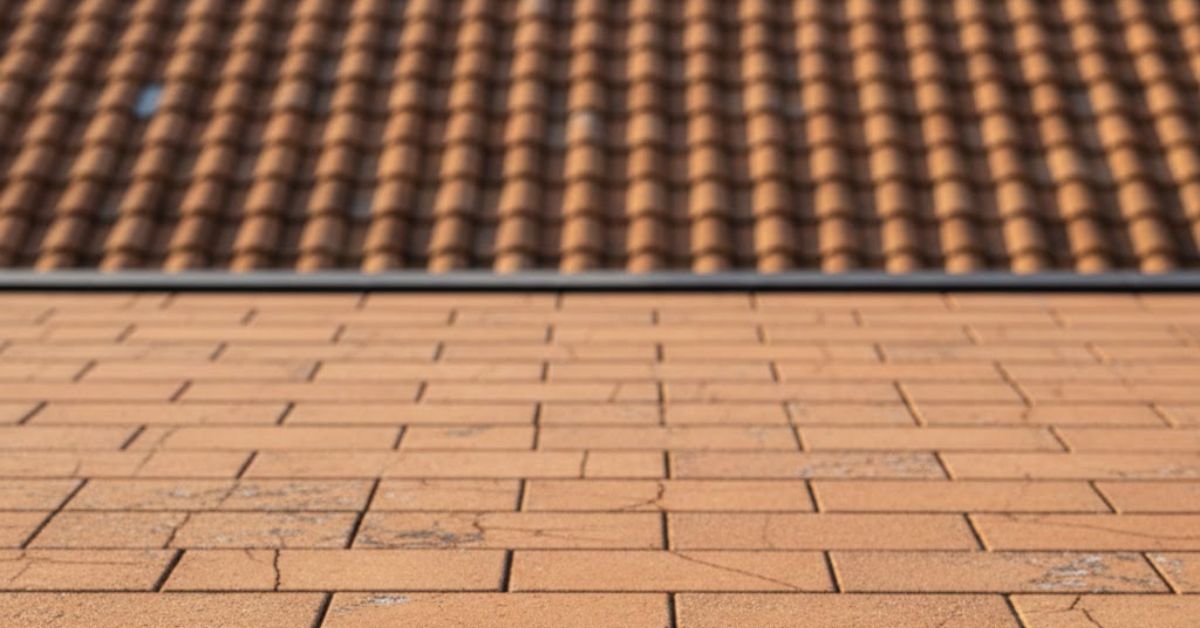
- Powdery residue (tile surface erosion)
These signs indicate your terracotta tiles are no longer fully protected. Scheduling a professional roof inspection—especially after severe weather—is the smartest move.
Why Ignoring Weather-Damaged Terracotta Tiles Is Risky
It’s tempting to delay roof repairs, especially if the damage doesn’t seem urgent. Unfortunately, ignoring weather-damaged terracotta tiles often leads to bigger, more expensive problems.
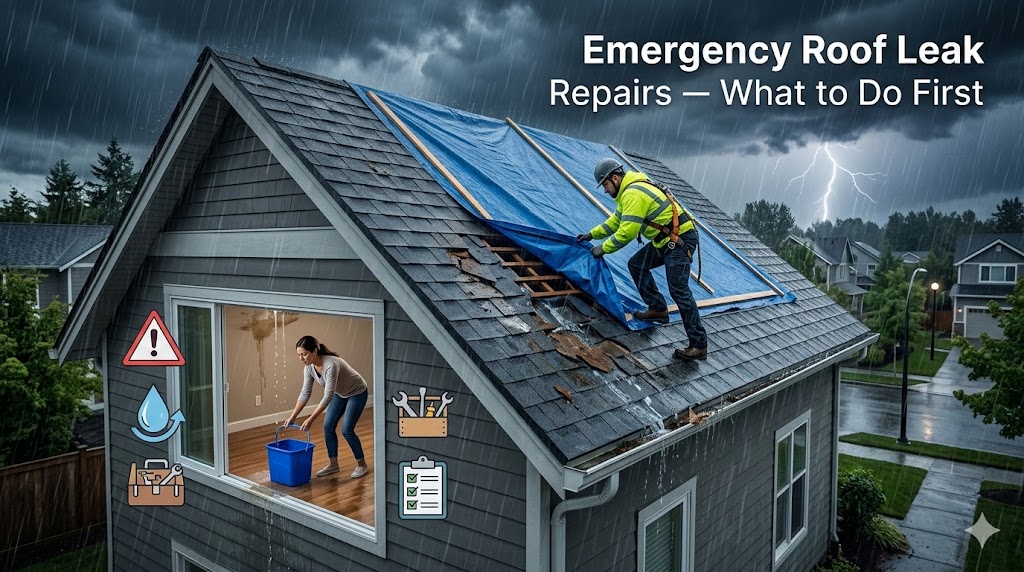
Water ingress is the biggest risk. Once water penetrates damaged tiles, it can affect underlayment, battens, insulation, and even your home’s structural timber. Mould growth, electrical hazards, and interior damage often follow.
Additionally, damaged tiles reduce your roof’s energy efficiency. Moisture retention and surface deterioration can increase indoor temperatures, driving up cooling costs.
Small cracks today can become widespread tile failure tomorrow. Addressing issues early protects both your roof and your investment.
Repair vs Restoration: What’s the Right Solution?
Not all weather damage requires a full roof replacement. In many cases, targeted repairs or full roof restoration are more cost-effective and efficient.
Tile Repairs
Best for:
- Isolated cracked or broken tiles
- Localised storm or hail damage
Repairs involve replacing damaged tiles, re-bedding ridge caps, and resealing problem areas.
Roof Restoration
Ideal for:
- Widespread weathering
- Faded or porous tiles
- Age-related deterioration
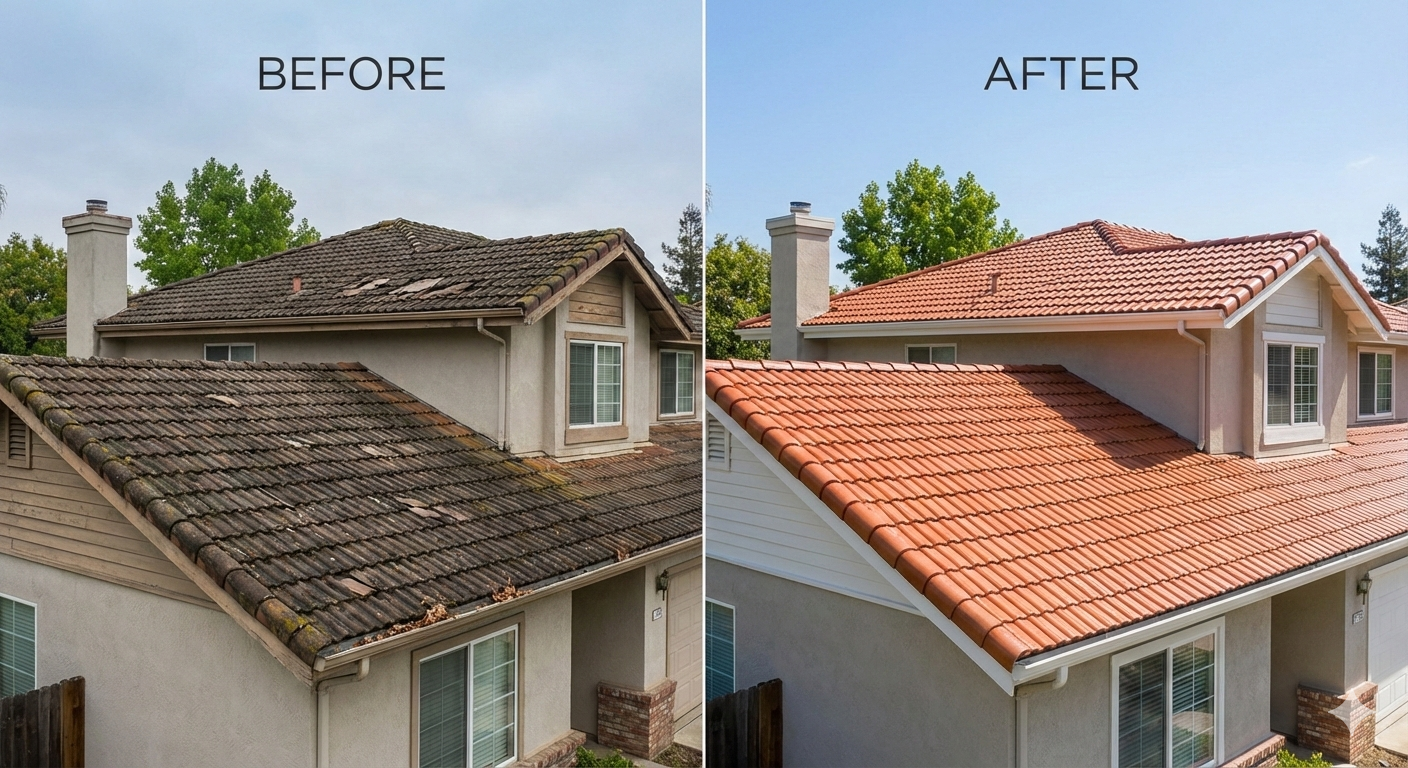
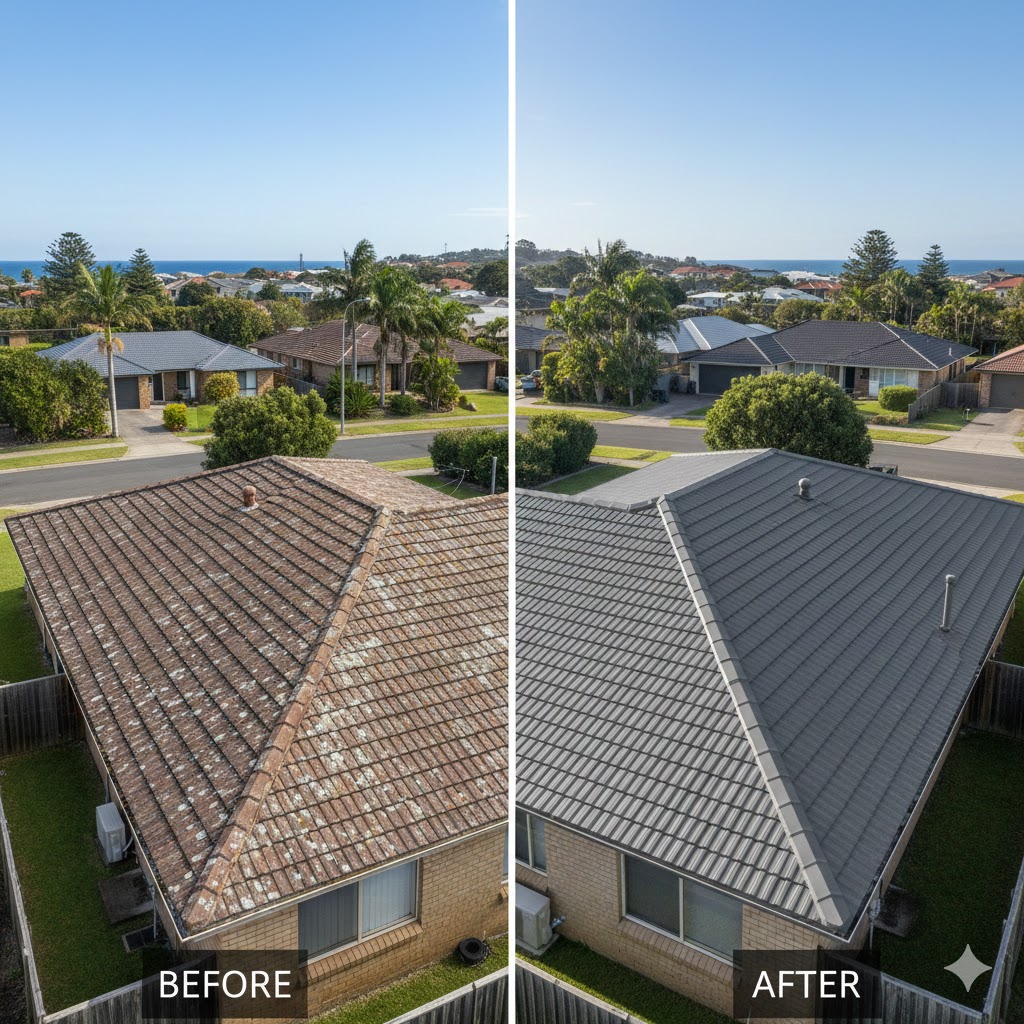
Restoration includes cleaning, repairs, repointing, sealing, and roof painting. This process can add 10–15 years to your roof’s lifespan.
Roof Replacement
Recommended only when tiles are severely degraded beyond repair.
A professional assessment from Aussie Roof Revival ensures you choose the most practical and cost-effective option.
How Roof Restoration Protects Terracotta Tiles from Weather
Roof restoration is one of the best ways to protect terracotta tiles from ongoing weather damage. It doesn’t just fix existing problems—it prevents future ones.
The process typically includes:
- High-pressure roof cleaning
- Tile repairs and replacements
- Re-bedding and repointing ridge caps
- Application of sealers and protective coatings
- Roof painting with weather-resistant finishes
High-quality coatings create a protective barrier against moisture, UV rays, and temperature extremes. This significantly reduces porosity and extends tile life.
The Role of Roof Painting in Weather Protection
Many homeowners underestimate the importance of roof painting. For terracotta tiles, it’s not just about aesthetics—it’s about protection.
Modern roof paints used by Aussie Roof Revival are designed to:
- Reflect UV radiation
- Prevent moisture penetration
- Improve thermal efficiency
- Enhance curb appeal
A professionally painted roof looks brand new while acting as a shield against Australia’s harsh climate.
Why Professional Expertise Matters for Terracotta Roofs
Terracotta tiles require specialised handling. Walking on them incorrectly can cause breakage, and improper cleaning can strip protective surfaces.
Professional roof restorers:
- Use correct access methods
- Apply tile-specific coatings
- Identify hidden damage
- Follow Australian safety standards
This expertise ensures long-lasting results and avoids costly mistakes.
Why Aussie Roof Revival Is the Trusted Choice
When it comes to dealing with terracotta tiles damaged by weather, Aussie Roof Revival stands out as Australia’s leading Roof Restoration & Painting Experts.
Homeowners trust Aussie Roof Revival because they offer:
- Extensive experience with terracotta roofs
- High-quality materials and coatings
- Honest assessments and transparent pricing
- Tailored restoration solutions
- Outstanding customer satisfaction
By choosing Aussie Roof Revival, you’re investing in quality workmanship and long-term roof protection.
You can explore related services and helpful guides directly on their website, including roof restoration, roof painting, and maintenance solutions designed for Australian conditions.
Preventing Future Weather Damage to Terracotta Tiles
Prevention is always better than repair. Simple maintenance steps can significantly extend your roof’s lifespan.
Tips include:
- Schedule annual roof inspections
- Clean debris from valleys and gutters
- Address small cracks immediately
- Apply protective coatings when needed
- Avoid walking on tiles unnecessarily
Regular professional maintenance keeps your roof weather-ready year-round.
Cost Considerations for Repairing Weather-Damaged Terracotta Tiles
Costs vary depending on:
- Extent of damage
- Roof size and pitch
- Accessibility
- Repair vs restoration
While restoration requires an upfront investment, it’s far more affordable than full replacement and adds value to your home.
How Weather-Damaged Roofs Affect Property Value
A damaged roof can significantly reduce property value and buyer confidence. Restored terracotta roofs, on the other hand, enhance street appeal and signal proper home maintenance.
If you’re planning to sell, a professionally restored roof can be a major selling point.
When to Call the Professionals
If your roof has experienced:
- Severe storms or hail
- Persistent leaks
- Visible tile damage
- Age-related wear
…it’s time to call the experts. Early intervention saves money and prevents stress.
Conclusion: Protecting Your Terracotta Roof for the Long Term
Dealing with terracotta tiles damaged by weather doesn’t have to be overwhelming. With the right knowledge, early detection, and professional support, your roof can continue protecting your home for decades.
Australia’s climate is tough, but your roof can be tougher. By choosing experienced professionals like Aussie Roof Revival, you ensure your terracotta tiles are repaired, restored, and protected against whatever the weather throws your way.
FAQs
1. Can cracked terracotta tiles be repaired?
Yes, individual tiles can often be replaced without restoring the entire roof.
2. How long does a terracotta roof last?
With proper maintenance and restoration, terracotta roofs can last 50 years or more.
3. Is roof restoration better than replacement?
In most cases, restoration is more cost-effective and preserves the original roof.
4. How often should terracotta roofs be inspected?
At least once a year, and after major weather events.5. Does roof painting really protect against weather?
Absolutely. Quality roof paint acts as a protective barrier against moisture and UV damage.