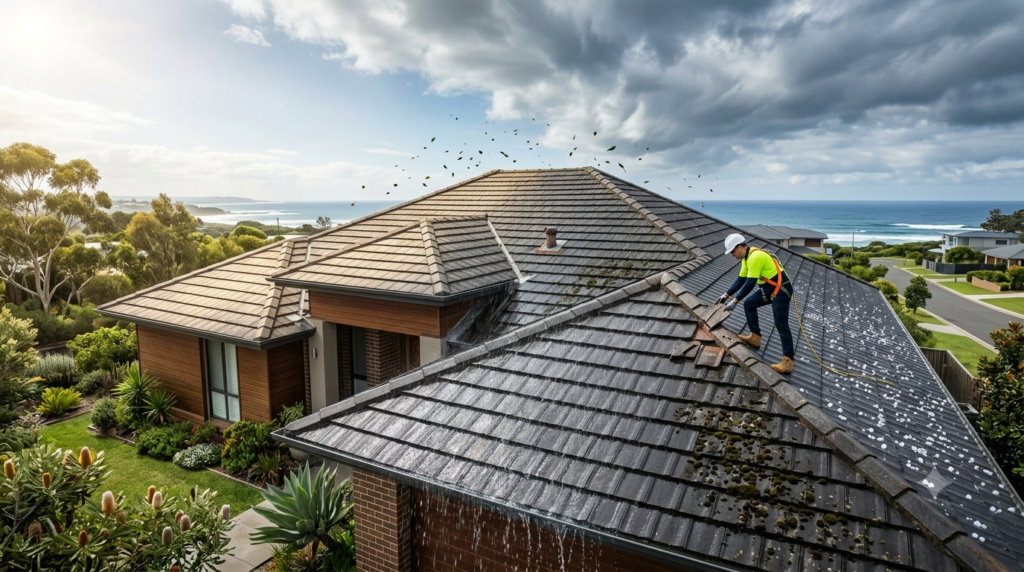
If you own a home in New South Wales, your roof is constantly battling the elements. From scorching summer heat and powerful UV rays to coastal salt air, heavy rain, hailstorms, and strong winds, NSW weather can take a serious toll on roofing materials over time.
Many homeowners assume a roof will last forever as long as it doesn’t leak. The reality is quite different. Weather-related wear and tear often develops gradually, causing damage that may not be visible until expensive repairs become necessary. Understanding how NSW’s climate affects your roof can help you take preventative action and significantly extend its lifespan.
At Aussie Roof Revival, the team has spent more than 20 years helping homeowners across Wollongong, the Illawarra, Southern Highlands, and surrounding NSW regions restore, repair, and protect their roofs from Australia’s harsh weather conditions.
Why NSW Weather Is So Demanding on Roofs
NSW is one of Australia’s most diverse climate regions. Coastal suburbs face constant salt exposure and humidity, while inland areas often experience prolonged heatwaves and sudden storms. Throughout the year, many properties encounter multiple weather extremes that gradually weaken roofing materials.
Your roof acts as the first shield protecting your home. Every day it absorbs sunlight, deflects rain, withstands strong winds, and protects the structural integrity of the property beneath it. This constant exposure means even quality roofing materials eventually show signs of deterioration.
The challenge is that weather damage often develops slowly. A tiny crack in a tile, minor deterioration in ridge pointing, or fading protective coatings may not seem significant at first. Yet these small issues can create pathways for moisture, leading to larger structural problems later.
Regular inspections and preventative maintenance are often the difference between a roof that lasts decades and one that requires premature replacement.
Extreme Sun Exposure and UV Damage
Australia experiences some of the highest UV levels in the world, and NSW roofs are exposed to intense sunlight for much of the year. While storms often receive more attention, long-term UV exposure is one of the leading causes of roof ageing.
Sunlight gradually breaks down roofing materials and protective coatings. Roof paint begins to fade, sealants become brittle, and tiles can become increasingly porous. As these protective barriers weaken, the roof becomes more vulnerable to water penetration and further weather-related deterioration.
Homeowners frequently notice signs of UV damage through:
- Faded roof colours
- Chalky or powdery roof surfaces
- Cracked coatings
- Brittle ridge pointing
- Surface deterioration
A faded roof isn’t just a cosmetic issue. Once protective coatings deteriorate, the roof loses part of its defence against rain, moisture, and future UV exposure.
This is why many NSW homeowners choose professional roof painting services to restore both appearance and weather protection. Premium roofing coatings can help shield roofing materials from harsh UV rays while improving the overall look of the property.
Heavy Rain and Water Damage
Rainfall is essential, but it can become one of the most destructive forces affecting a roof when maintenance is neglected.
Water naturally seeks out weaknesses. A cracked tile, damaged flashing, loose ridge cap, or deteriorated seal can provide an entry point for moisture. Once water enters the roof cavity, it can affect insulation, timber framing, plasterboard ceilings, and electrical systems.
One of the biggest concerns with water damage is that it often remains hidden. A small leak may continue for months before visible signs appear inside the home.
Common consequences of prolonged moisture exposure include:
| Problem | Potential Impact |
| Roof leaks | Internal ceiling damage |
| Mould growth | Health concerns and odours |
| Rotting timber | Structural weakening |
| Damaged insulation | Reduced energy efficiency |
| Electrical issues | Safety risks |
When water damage is detected early, professional roof repair services can often resolve issues before major structural repairs become necessary.
According to roofing specialists, prompt repairs and routine inspections remain among the most cost-effective ways to extend roof lifespan and prevent expensive restoration work.
Moss, Lichen, and Algae Growth
NSW’s combination of rainfall and humidity creates ideal conditions for moss, algae, and lichen growth.
While these growths may seem harmless initially, they can cause significant roofing issues over time. Moss retains moisture directly against roofing materials, increasing water absorption and accelerating deterioration. Lichen can slowly penetrate tile surfaces, contributing to cracking and weathering.
Many homeowners underestimate how much damage biological growth can cause. The longer moss remains on a roof, the greater the risk of moisture-related deterioration.
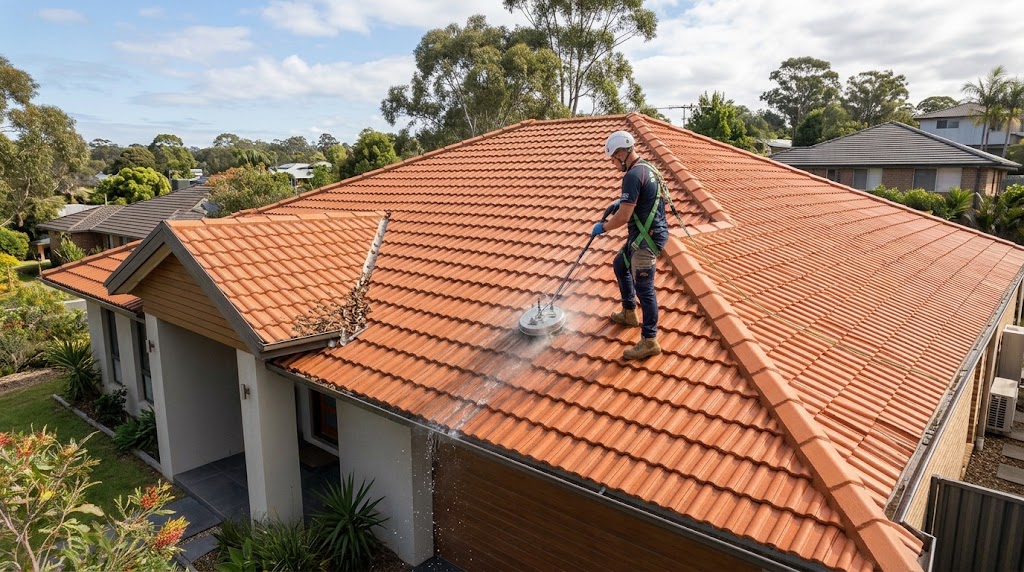
A professional roof restoration service typically includes thorough high-pressure cleaning to remove moss, dirt, fungus, and organic growth before protective coatings are applied. This process helps restore the roof’s ability to shed water effectively while improving its appearance.
Strong Winds and Storm Damage
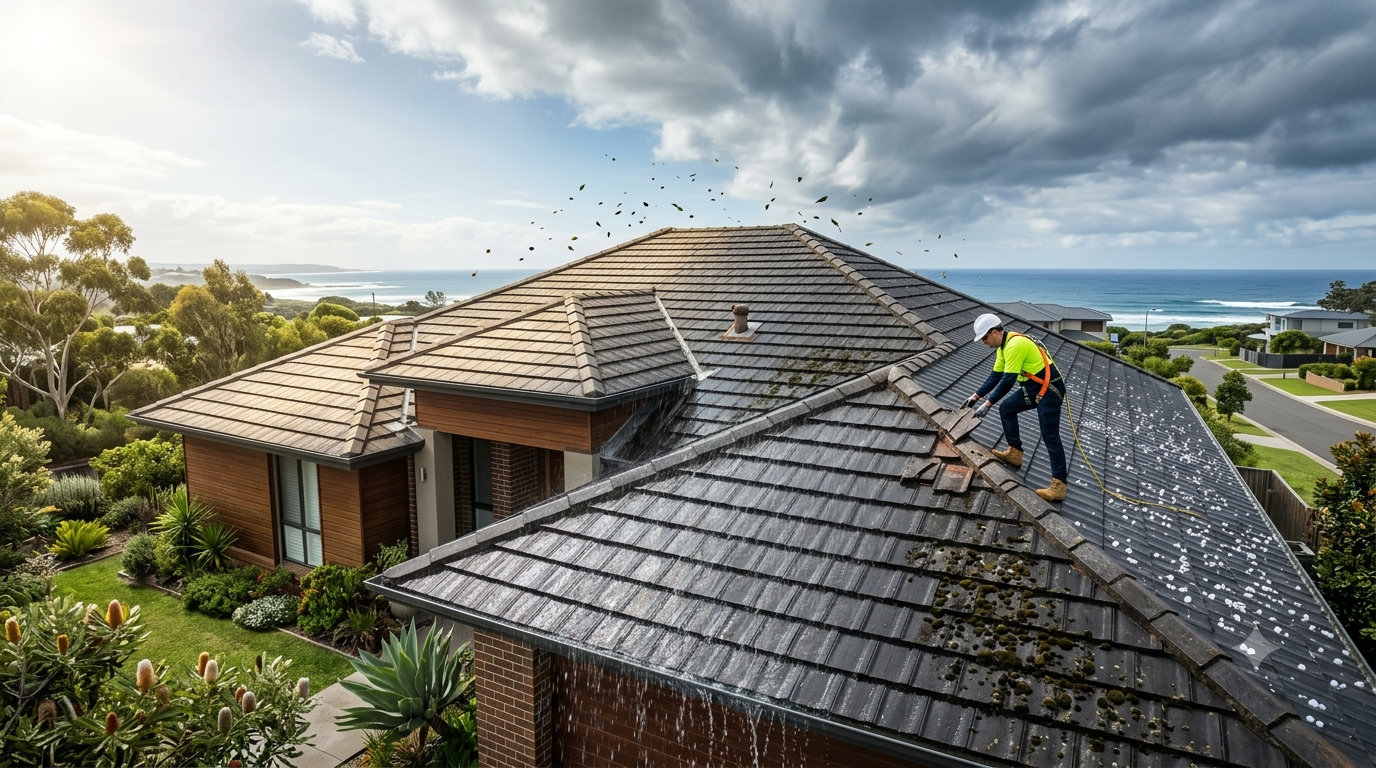
Storm season across NSW can place enormous stress on roofing systems. High winds create uplift forces that can loosen tiles, damage flashing, dislodge ridge caps, and expose vulnerable areas of the roof.
Wind-related damage often occurs gradually. Small weaknesses become larger problems with each weather event. What begins as a loose tile may eventually lead to leaks, water intrusion, and internal property damage.
Storm-related roof issues commonly include:
- Dislodged ridge capping
- Cracked tiles
- Damaged flashing
- Loose roofing sheets
- Water ingress
- Blocked gutters
One challenge with storm damage is that many issues are not immediately visible from ground level. A roof can appear intact while hidden damage continues to worsen after every rainfall event.
If severe weather causes sudden roof damage, homeowners may require urgent assistance through professional emergency roofing services to prevent further water intrusion and structural deterioration.
Hailstorms and Impact Damage
Hailstorms are among the most destructive weather events for roofs in NSW.
The impact from hailstones can crack roof tiles, dent metal roofing, damage coatings, and weaken waterproofing systems. Large hail events can cause visible destruction, but smaller impacts may create hidden vulnerabilities that become problematic months later.
The danger lies in the cumulative effect. Tiny fractures and damaged protective coatings allow water and UV exposure to accelerate deterioration.
After a significant hailstorm, homeowners should arrange a professional roof inspection even if obvious damage is not visible. Early identification often prevents much larger repair bills later.
Prompt intervention can also help maintain warranty coverage and ensure the roof continues to perform effectively during future weather events.
Coastal Salt Air and Corrosion
For homeowners living near Wollongong, Shellharbour, Kiama, and other coastal NSW locations, salt exposure presents an additional challenge.
Salt particles carried by ocean winds settle on roofs and attract moisture. This combination significantly accelerates corrosion, particularly on metal roofs, fasteners, flashing, and gutters.
Even premium roofing materials can experience accelerated wear when exposed to salt-laden air for extended periods.
Signs of coastal corrosion may include:
- Rust spots
- Surface pitting
- Peeling coatings
- Discoloured roofing sheets
- Corroded screws and fasteners
Applying a professional roof coating system can create an additional barrier against moisture and salt exposure, helping to extend the lifespan of roofs in coastal environments. Aussie Roof Revival specifically recommends protective coatings as an effective defence against harsh local weather conditions.
Temperature Fluctuations and Thermal Movement
Many homeowners don’t realise how much roofs move every day.
Roofing materials expand when temperatures rise and contract when temperatures cool. This process, known as thermal movement, occurs continuously throughout the year.
Over time, this expansion and contraction places stress on:
- Ridge caps
- Mortar joints
- Fasteners
- Flashings
- Roofing sheets
- Tile connections
Metal roofs are particularly affected because they expand and contract more noticeably than many other materials. Tile roofs also experience movement, which can contribute to cracking and deterioration of pointing and bedding compounds.
NSW’s climate often combines hot daytime temperatures with cooler evenings, creating repeated thermal cycles that gradually wear down roofing systems.
Regular maintenance helps identify signs of movement-related deterioration before serious problems develop.
Why Tile Roofs Need Special Attention
Tile roofs remain extremely popular throughout NSW due to their durability and traditional appearance. However, both terracotta and cement tiles require ongoing maintenance to perform at their best.
Older tiles gradually become more porous. This allows greater moisture absorption, increasing the risk of deterioration and weather damage.
Homeowners with terracotta roofs often benefit from specialised terracotta tile restoration services that focus on preserving the unique appearance and weatherproof integrity of traditional roofing materials.
Similarly, ageing concrete tile roofs can benefit from professional cement tile restoration services designed to address cracks, moss growth, fading, and moisture absorption before larger problems develop.
Specialised restoration helps maintain both the appearance and structural performance of tile roofing systems for years to come.
The Benefits of Professional Roof Restoration
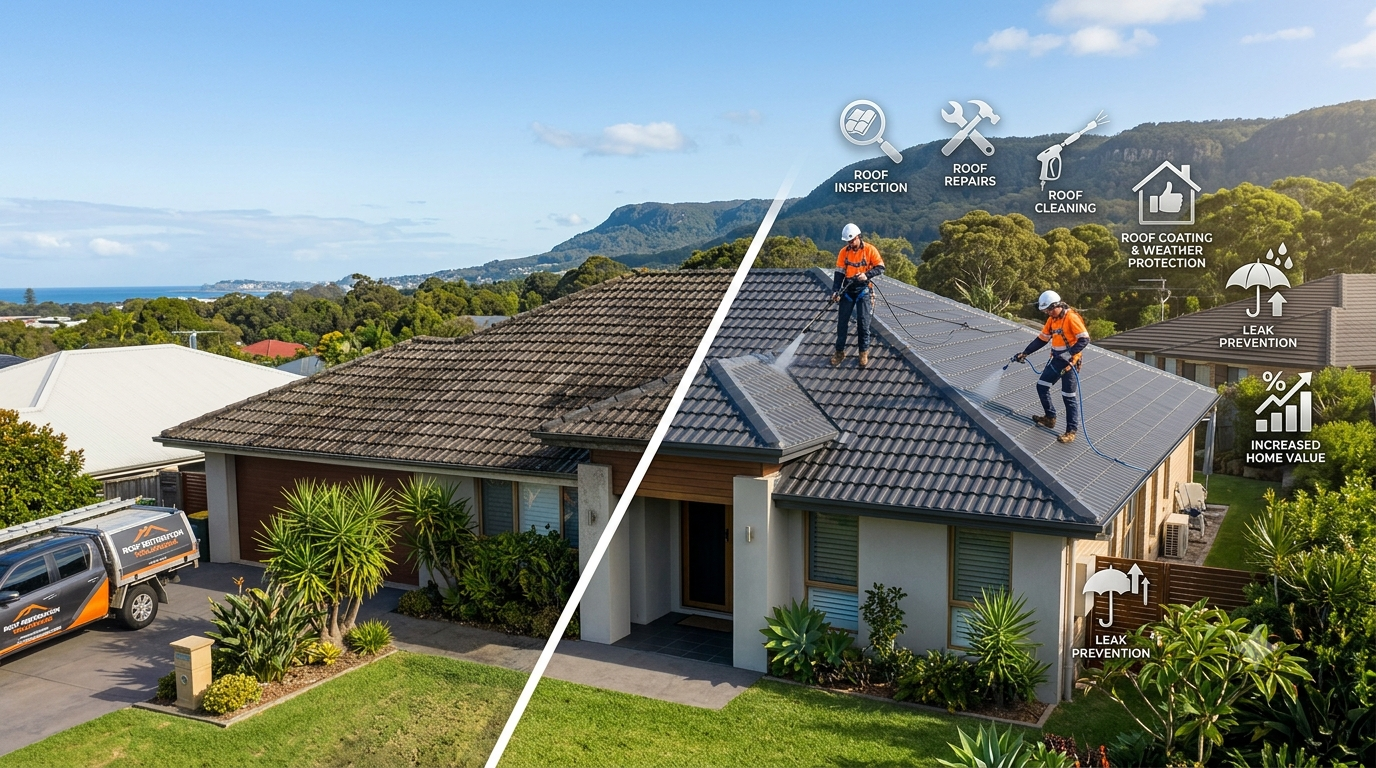
Many homeowners assume roof replacement is the only solution once visible deterioration appears. In reality, professional restoration can often add many years to a roof’s lifespan at a fraction of the cost.
A comprehensive restoration process typically includes:
- High-pressure roof cleaning
- Moss and fungus removal
- Tile replacement
- Re-bedding ridge caps
- Flexible repointing
- Priming and sealing
- Protective roof coatings
- Roof painting
According to Aussie Roof Revival, their restoration process includes replacing broken tiles, repointing ridges using flexible compounds, applying bonding primers, and finishing with premium roofing coatings for long-term protection.
The result is a roof that not only looks significantly better but is also better equipped to withstand NSW’s demanding weather conditions.
When Should You Schedule a Roof Inspection?
Many roofing problems can be identified long before leaks appear inside the home.
You should consider a professional roof inspection if:
- Your roof is more than 10 years old
- You notice fading paint
- Moss or lichen is visible
- Tiles appear cracked or displaced
- Recent storms have occurred
- Rust is developing on metal surfaces
- Water stains appear on ceilings
Routine inspections help detect minor issues before they become major expenses. Preventative maintenance is almost always more affordable than emergency repairs or complete roof replacement.
For homeowners across Wollongong, Illawarra, Southern Highlands, and surrounding NSW regions, regular roof assessments can provide peace of mind while helping maximise the lifespan of one of the home’s most important assets.
Conclusion
NSW weather can be incredibly demanding on roofing systems. Intense UV exposure, heavy rain, storms, hail, coastal salt air, and temperature fluctuations all contribute to gradual roof deterioration.
The good news is that most weather-related roofing issues can be managed effectively through regular maintenance, timely repairs, and professional restoration. By addressing problems early and investing in preventative care, homeowners can significantly extend the lifespan of their roofs while protecting the value of their property.
Whether your roof needs repairs after a storm, protective coatings against coastal weather, or a complete restoration to reverse years of wear, taking action early is the key to avoiding larger and more expensive problems in the future.
FAQs
1. How long should a roof last in NSW?
The lifespan varies depending on materials, maintenance, and weather exposure. Well-maintained tile roofs can last 50 years or more, while metal roofs often last between 30 and 50 years.
2. What weather causes the most roof damage in NSW?
There is no single cause. UV radiation, storms, heavy rain, hail, salt exposure, and temperature fluctuations all contribute to roof deterioration over time.
3. How often should a roof be inspected?
Most roofing professionals recommend inspections every one to two years and after major storms or hail events.
4. Is roof restoration worth it?
In many cases, yes. Professional roof restoration can significantly extend roof lifespan, improve weather resistance, and enhance street appeal without the cost of a full replacement.
5. Can roof coatings help protect against NSW weather?
Yes. High-quality roof coatings provide additional protection against UV exposure, moisture penetration, salt air, and general weather-related wear. They can play a major role in extending roof lifespan.