Your roof works hard every day. It shields your home from scorching summer heat, heavy rain, strong winds, and everything in between. Yet many homeowners only think about their roof when a leak appears or visible damage becomes impossible to ignore. By then, what could have been a simple maintenance task may have turned into a costly repair.
Regular roof maintenance is one of the easiest ways to protect your property and avoid unexpected expenses. A well-maintained roof not only lasts longer but also improves the appearance and value of your home. Whether you have a tiled roof or a metal roof, following a seasonal maintenance plan can help you identify minor issues before they become major problems.
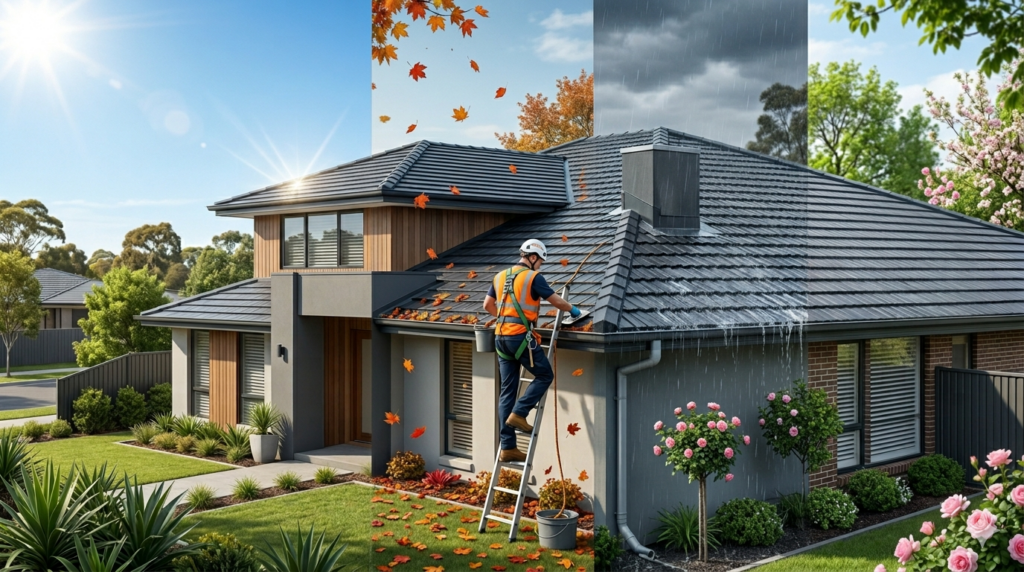
In Australia’s challenging climate, year-round roof care is especially important. Extreme temperatures, UV exposure, storms, and debris accumulation can all impact your roof’s condition. The good news is that a few simple checks throughout the year can make a significant difference in preserving your roof’s integrity.
Why Regular Roof Maintenance Matters
Many homeowners underestimate the importance of routine roof maintenance. Unlike other parts of your home that you interact with daily, the roof is often out of sight and out of mind. However, neglecting it can lead to serious consequences, including leaks, structural damage, mould growth, and reduced energy efficiency.
Regular inspections allow you to detect problems early. Small cracks, loose tiles, rust spots, or blocked gutters may seem minor, but they can quickly escalate when left untreated. Preventative maintenance helps avoid emergency repairs and can save thousands of dollars over the lifespan of your roof.
Protecting Your Home from Costly Damage
Water intrusion is one of the most common causes of property damage. A damaged roof can allow moisture to enter your ceiling cavity, insulation, walls, and even electrical systems. By conducting regular checks, homeowners can identify vulnerable areas before water finds its way inside.
Extending the Lifespan of Your Roof
Every roofing material has an expected lifespan, but maintenance plays a major role in determining how long it actually lasts. Consistent care helps prevent premature deterioration and ensures your roof continues performing as intended for many years.
Summer Roof Maintenance Tips
Australian summers can be harsh on roofing materials. Intense UV radiation and high temperatures can cause expansion, fading, and deterioration over time. Summer is the perfect season to inspect your roof for signs of weather-related wear.
Inspect for Heat and UV Damage
Look for cracked roof tiles, faded coatings, loose flashing, or signs of warping. Metal roofs should be checked for corrosion or damaged protective coatings. Early identification of these issues helps prevent more serious damage later in the year.
Clean Gutters and Downpipes
Even during summer, gutters can collect debris that restricts water flow. Blocked gutters increase the risk of overflow during sudden storms. Cleaning gutters and downpipes ensures rainwater drains efficiently away from your home.
Autumn Roof Care Checklist
As leaves begin to fall, autumn presents new maintenance challenges. Debris accumulation can trap moisture and create ideal conditions for mould, moss, and corrosion.
Remove Leaves and Debris
Pay particular attention to roof valleys, gutters, and areas around solar panels. Organic material left sitting on the roof can retain moisture and accelerate deterioration.
Check Roof Valleys and Flashings
Roof valleys direct water into gutters and are critical components of your drainage system. Inspect these areas for blockages, rust, or damage. Flashings around chimneys, skylights, and vents should also be checked to ensure they remain watertight.
Winter Roof Maintenance Essentials
Winter often reveals roofing issues that may have gone unnoticed during drier months. Heavy rain and colder conditions place additional stress on roofing systems.
Look for Leaks and Water Damage
After significant rainfall, inspect ceilings and walls for water stains or damp patches. Even small leaks can indicate larger roofing problems that require immediate attention.
Monitor Moss and Lichen Growth
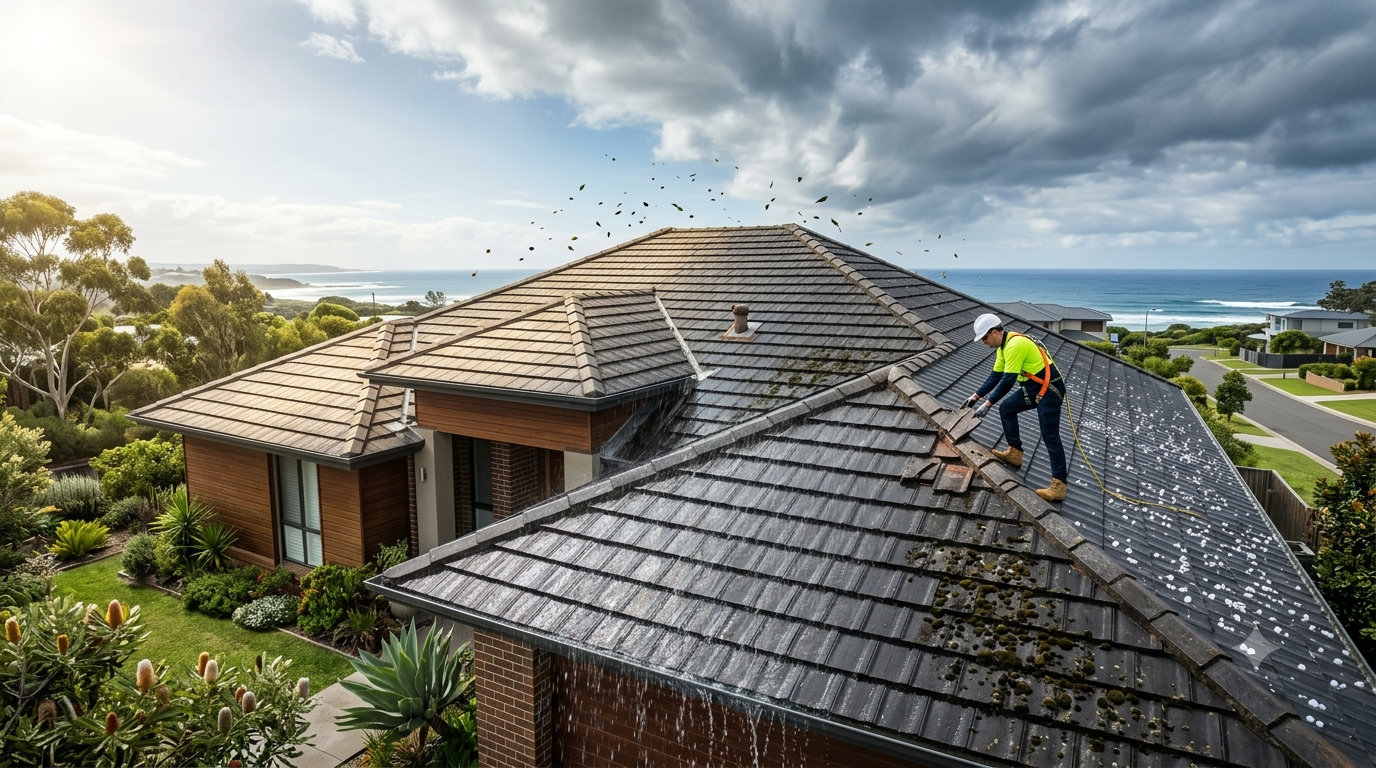
Moist winter conditions encourage moss and lichen growth, particularly on older roofs. These organisms can trap moisture against roofing materials and contribute to long-term deterioration if not removed.
Spring Roof Inspection Guide
Spring is an excellent time to assess any damage that may have occurred during winter and prepare your roof for the hotter months ahead.
Assess Storm Damage
Strong winds and storms can loosen tiles, damage flashing, and create entry points for water. A thorough inspection can help identify issues before summer weather arrives.
Schedule Professional Roof Maintenance
While homeowners can perform basic visual inspections, a professional assessment provides a more comprehensive evaluation. Roofing experts can identify hidden problems and recommend appropriate solutions before they worsen.
Signs Your Roof Needs Professional Attention
Some roofing issues require more than routine maintenance. Recognising the warning signs early can help prevent extensive damage and costly repairs.
Damaged Roof Tiles or Metal Sheets
Cracked, broken, or missing roof tiles should be addressed promptly. Metal roofing panels showing rust, corrosion, or loose fasteners also require professional attention.
Persistent Water Stains
If water stains continue appearing despite repairs, there may be underlying roofing issues that require specialist diagnosis. Ignoring these signs can lead to structural damage and mould growth.
| Warning Sign | Potential Issue |
| Water stains on ceilings | Roof leak |
| Broken roof tiles | Water penetration risk |
| Rust on metal roofing | Corrosion damage |
| Blocked gutters | Overflow and water damage |
| Moss growth | Moisture retention |
When to Consider Roof Restoration
Maintenance can address many issues, but older roofs may eventually require restoration. Roof restoration goes beyond simple repairs and focuses on improving the overall condition and performance of the roof.
For homeowners noticing widespread wear, faded coatings, recurring leaks, or visible ageing, a professional roof restoration may provide a cost-effective alternative to a full roof replacement. Restoration can improve appearance, enhance weather resistance, and extend roof lifespan significantly.
If you’re considering restoring your roof, explore the professional services available at Aussie Roof Revival. You can also learn more about their roof restoration solutions and maintenance services to keep your roof in excellent condition throughout the year.
Conclusion
Maintaining your roof year-round does not have to be complicated. A seasonal approach allows homeowners to identify and address issues before they become expensive problems. Regular inspections, gutter cleaning, debris removal, and professional assessments all contribute to a healthier and longer-lasting roof.
Australian weather can be demanding, but consistent maintenance helps ensure your roof continues protecting your home in every season. By investing a small amount of time each year, you can avoid major repairs, improve your home’s appearance, and maximise the lifespan of your roofing system.
Frequently Asked Questions
1. How often should I inspect my roof?
A visual roof inspection should be carried out at least twice a year, ideally in spring and autumn, along with checks after major storms.
2. Can I clean my roof myself?
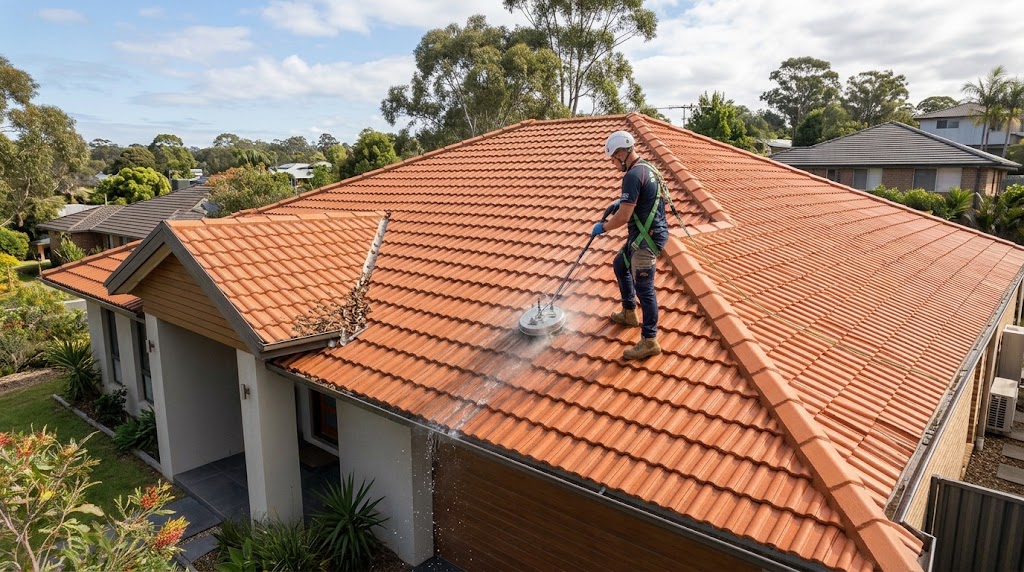
Basic cleaning and debris removal can often be done safely from the ground or with proper equipment. Professional roof cleaning is recommended for extensive moss, mould, or difficult-to-access areas.
3. What is the difference between roof repair and roof restoration?
Roof repairs focus on fixing specific issues, while roof restoration involves cleaning, repairing, resealing, and rejuvenating the entire roofing system.
4. How long does a roof restoration last?
A professionally completed roof restoration can extend the life of a roof by 10 to 15 years or more, depending on the roofing material and ongoing maintenance.
5. When should I contact a roofing professional?
Contact a roofing professional if you notice leaks, broken tiles, rust, sagging areas, persistent water stains, or signs of significant deterioration.